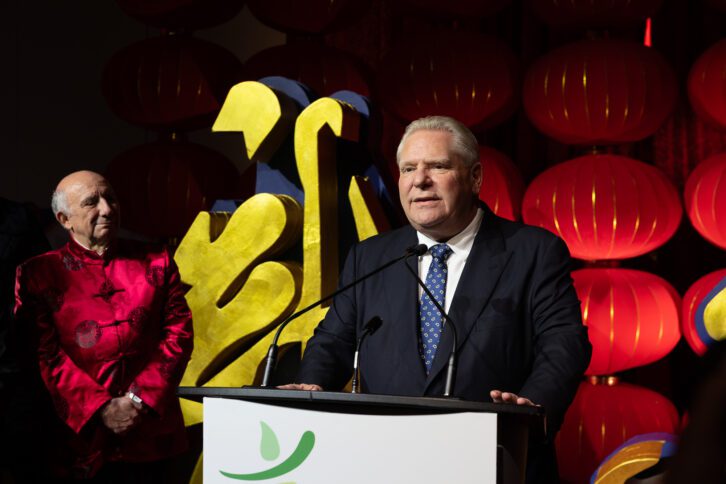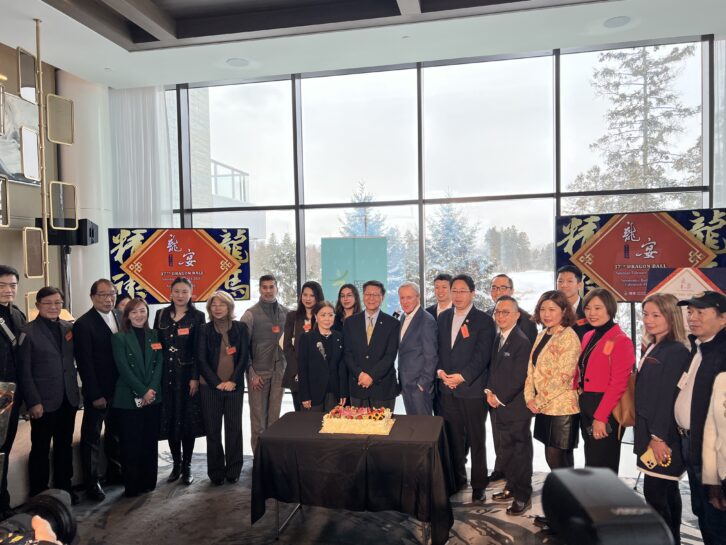
The 37th Dragon Ball, presented by the Yee Hong Community Wellness Foundation, took over the Automotive Building at Exhibition Place this past Saturday. Coinciding with Valentine’s Day, the gala brought together over a thousand philanthropists and community leaders to celebrate the Lunar New Year while supporting senior care in Toronto.
Continue reading→
Save the date and get ready for one of Toronto’s most prestigious galas of the year. The Dragon Ball Gala returns in 2026, celebrating its 37th year of unforgettable performances, exceptional cuisine, and meaningful impact in support of senior care. The main event will take place during the Lunar New Year season at a new venue: the Automotive Building at Exhibition Place.
Canada is home to some of the world’s most varied and scenic ski destinations, from charming eastern villages to vast western alpine mountains. Whether you’re looking for family-friendly slopes, epic powder, or vibrant ski towns with shops and dining, there’s a resort to suit every taste. This guide highlights the best places to ski across Quebec, Ontario, Alberta, and British Columbia, offering readers a complete picture of Canada’s winter playgrounds.
Mont Tremblant (Quebec)
Address: 1000 Chem. des Voyageurs, Mont-Tremblant, QC
Website: tremblant.ca
Prices: Day passes typically range from $130–$160 CAD
Mont Tremblant is Quebec’s most iconic ski resort, featuring 102 runs across 755 acres with a vertical drop of 645 metres (2,116 feet). The pedestrian village at the base is packed with ski-in/ski-out hotels, restaurants, shops, and cafés, creating a European-style experience. Terrain ranges from beginner slopes to challenging black diamonds, and snowboarding is well-supported. Dining options include casual spots, bistros, and high-end restaurants, while nearby accommodations range from condos to luxury hotels. The season usually runs from late November to early April. More info: Mont Tremblant Guide
Blue Mountain (Ontario)
Address: 108 Jozo Weider Blvd, The Blue Mountains, ON
Website: bluemountain.ca
Prices: Approximately $90–$130 CAD per day
Blue Mountain is Ontario’s largest ski destination, featuring 43 runs across 365 acres and a vertical drop of 220 metres (720 feet). It caters to beginners and intermediates, with terrain parks for snowboarders. The pedestrian village has hotels, condos, shops, and restaurants all within walking distance of the lifts. Dining ranges from casual cafés to family-friendly restaurants, and après-ski bars are located in the village. The season typically runs from December through March.
Banff Sunshine Village (Alberta)
Address: Banff National Park, AB
Website: skibanff.com
Prices: Approximately $145–$170 CAD per day
Banff Sunshine Village offers 137 runs across 3,300 acres, with a vertical drop of 1,079 metres (3,540 feet). It features wide-open bowls, cruisers, and tree skiing at high elevation, providing snow reliability and a long season from early November to late May. Accommodation is primarily in the nearby town of Banff, 15–20 minutes from the lifts, offering boutique hotels, restaurants, cafés, and shops. On-mountain, there are several cafés and mid-range restaurants.
Lake Louise Ski Resort (Alberta)

Lake Louise | Photo by kenyi Amores
Address: Lake Louise, AB
Website: skilouise.com
Prices: Approximately $145–$170 CAD per day
Lake Louise Ski Resort has 145 runs across 4,200 acres and a vertical drop of 991 metres (3,250 feet), offering beginner to expert terrain. The resort is set within Banff National Park, with accommodations in Lake Louise Village or Banff. The base area has a few cafés and restaurants, but most dining and shopping are in Banff town. The season usually runs from early November to late May, with stunning Rocky Mountain scenery.
Marmot Basin (Alberta)
Address: Jasper National Park, AB
Website: skimarmot.com
Prices: Approximately $120–$150 CAD per day
Marmot Basin provides a quieter alternative in Jasper National Park with 91 runs across 1,720 acres and a vertical drop of 635 metres (2,080 feet). The terrain suits all levels, with wide-open runs and tree skiing. Lodging is primarily in Jasper, 10–15 minutes from the slopes, with hotels, cafés, and shops. On-mountain, there is a cafeteria and a small sit-down restaurant. The season runs from early November to late April.
Whistler Blackcomb (British Columbia)
Address: Whistler, BC
Website: whistlerblackcomb.com
Prices: Approximately $160–$300+ CAD per day
Whistler Blackcomb is North America’s largest ski resort, with 200+ runs across 8,100 acres and a vertical drop of 1,609 metres (5,280 feet). It caters to all skill levels with beginner areas, intermediate cruisers, and expert terrain including glaciers. Whistler Village is fully pedestrianized and features ski-in/ski-out hotels, condos, shops, boutiques, and a wide variety of dining options. Nightlife and après-ski are abundant. The season runs from late November through May, with spring skiing on Blackcomb Glacier.
Revelstoke Mountain Resort (British Columbia)
Address: Revelstoke, BC
Website: revelstokemountainresort.com
Prices: Approximately $140–$190 CAD per day
Revelstoke is known for extreme vertical, boasting 3,121 acres of skiable terrain and the longest lift-served vertical in North America at 1,713 metres (5,620 feet). The resort has 75+ runs across alpine bowls with a mix of groomers, powder fields, and advanced terrain. Lodging is in the town of Revelstoke, 5–10 minutes from the lifts, which offers boutique hotels, restaurants, cafés, and small shops. On-mountain dining includes a cafeteria and casual eatery. The season typically runs from late November through April.
Kicking Horse Mountain Resort (British Columbia)
Address: Near Golden, BC
Website: kickinghorseresort.com
Prices: Approximately $145–$185 CAD per day
Kicking Horse features 1,260 acres of terrain and 1,260 metres (4,133 feet) of vertical with over 120 runs, primarily for advanced and expert skiers. The resort is famous for steep bowls, gladed runs, and dramatic alpine scenery. Lodging is available in Golden, 15 minutes from the base, including hotels and casual dining. On-mountain, there is a cafeteria. The ski season runs from mid-December through mid-April.
Fernie Alpine Resort (British Columbia)
Address: Fernie, BC
Website: skifernie.com
Prices: Approximately $120–$170 CAD per day
Fernie Alpine Resort has 142 runs across 2,500 acres, with a vertical drop of 1,070 metres (3,510 feet). Known for deep powder and tree skiing, it appeals to intermediate and advanced skiers. Accommodations are near the base, and the town of Fernie, 5–10 minutes away, offers hotels, cafés, restaurants, and shops. On-mountain, there are quick-service cafés. The season runs from December through April.
Sun Peaks Resort (British Columbia)
Address: Sun Peaks, BC
Website: sunpeaksresort.com
Prices: Approximately $120–$165 CAD per day
Sun Peaks covers 4,270 acres with 137 runs and a vertical drop of 885 metres (2,900 feet). The resort is family-friendly, with beginner, intermediate, and advanced terrain across three mountains. The pedestrian village offers ski-in/ski-out lodging, restaurants, cafés, and shops within walking distance of lifts. The season generally runs from late November through early April.
Big White Ski Resort (British Columbia)
Address: Near Kelowna, BC
Website: bigwhite.com
Prices: Approximately $125–$175 CAD per day
Big White features 118 runs across 7,765 acres with a vertical drop of 777 metres (2,550 feet). Known for family-friendly skiing and terrain parks, it offers reliable snow and ski-in/ski-out village lodging with hotels, condos, restaurants, cafés, and shops directly on the slopes. The season typically runs from early December through late March or April.
Quick Guide
| Province | Resort | Vertical (m) | Skiable Terrain (acres) | Runs | Season |
|---|---|---|---|---|---|
| Quebec | Mont Tremblant | 645 | 755 | 102 | Late Nov – Early Apr |
| Ontario | Blue Mountain | 220 | 365 | 43 | Dec – Mar |
| Alberta | Banff Sunshine Village | 1,079 | 3,300 | 137 | Early Nov – Late May |
| Alberta | Lake Louise | 991 | 4,200 | 145 | Early Nov – Late May |
| Alberta | Marmot Basin | 635 | 1,720 | 91 | Early Nov – Late Apr |
| British Columbia | Whistler Blackcomb | 1,609 | 8,100+ | 200+ | Late Nov – May |
| British Columbia | Revelstoke Mountain Resort | 1,713 | 3,121 | 75+ | Late Nov – Apr |
| British Columbia | Kicking Horse | 1,260 | 1,260 | 120+ | Mid Dec – Mid Apr |
| British Columbia | Fernie Alpine Resort | 1,070 | 2,500 | 142 | Dec – Apr |
| British Columbia | Sun Peaks Resort | 885 | 4,270 | 137 | Late Nov – Early Apr |
| British Columbia | Big White | 777 | 7,765 | 118 | Early Dec – Late Mar/Apr |
When it comes to accessible style for modern Canadian women, few brands have endured and evolved as gracefully as Suzy Shier. Founded in 1966, this homegrown retailer has become synonymous with wearable trends, wardrobe essentials, and prices that don’t compromise style. Today, Suzy Shier continues to speak to a generation of women who balance work, social life, and personal expression — and want clothing that keeps up.
What sets Suzy Shier apart is its ability to translate current fashion into pieces that feel versatile and approachable. From office-ready blazers and polished trousers to knit sets, weekend denim, and elegant dresses, the brand understands how Canadian women want to dress for real life, not just the runway. With new arrivals landing weekly, there is always something seasonal and fresh to discover, without the intimidation or premium price tag often associated with trend-driven fashion.
In recent years, the brand has expanded its offering even further through the relaunch of Le Château, now exclusively available at Suzy Shier. The addition brings a distinctive fashion-forward viewpoint — richer fabrics, statement eveningwear, tailoring, and elevated party looks — making the brand a one-stop destination for everything from work meetings to date nights and celebrations.
Yet while Suzy Shier maintains a strong viewpoint on style, inclusivity and accessibility remain central to its identity. Sizes, silhouettes, and trends are curated with diversity in mind, ensuring more women can feel represented and confident in their wardrobe choices. It’s fashion designed for real women, living real lives, across all stages, ages, and occasions.
Today, Suzy Shier continues to grow through a hybrid presence of nationwide boutiques and a robust online shopping experience, offering customers convenience and choice. For Toronto-based shoppers, browsing online comes with an added perk this season: Suzy Shier is offering 30% off sitewide on select pieces — an ideal opportunity to refresh winter wardrobes or stock up on transitional spring styles at a more affordable price point. From polished shirts to knitwear, denim, dresses, and outerwear, the promotion spans multiple categories and makes it easier than ever to experiment with new looks.
Beyond clothing, Suzy Shier also engages deeply with its communities and loyal customer base. The brand’s long-standing presence across Canada reflects its commitment not only to style but to women’s everyday lives — from the workplace to social gatherings, to weekend errands and milestone events.
For those seeking a wardrobe that marries style, comfort, versatility, and value, Suzy Shier remains one of Canada’s most reliable fashion touchpoints. And with 30% off online, now feels like the perfect moment to rediscover a Canadian classic.
It is cold, dark by five o’clock, and the last thing anyone wants to do is meet a stranger from the internet in an empty parking lot to sell a car. Yet every winter, thousands of Canadians still try to do exactly that.
Private sales can feel risky in the best of weather. Add icy roads, short daylight hours, and unpredictable no-shows, and it makes sense why more people are turning to online options that take the hassle and danger out of the equation. The conditions create vulnerability that stops many sellers before they start.
More Canadians are recognizing these challenges and seeking alternatives that remove both danger and inconvenience. The shift represents a fundamental rethinking of what selling a car should feel like.
The Real Risks Behind Private Sales
Meeting someone from an online classified ad might appear routine, but the vulnerabilities are real and often underestimated. When temperature drops and daylight becomes scarce, those risks multiply.
“People underestimate how exposed people can be when people handle a sale privately,” says Seamus O’Neill, a Vehicle Appraiser at CarDoor.ca. “You are inviting strangers to test-drive your vehicle, sometimes alone, and you do not have a guarantee people will show up or handle the car respectfully. Winter makes that ten times harder. Visibility is lower, and a lot of the time you are left waiting around in the cold.”
The concerns stretch far beyond weather conditions and wasted time. For many sellers, particularly women, personal safety weighs heavily in the decision to sell privately. The anxiety of meeting unknown buyers in isolated locations, often after dark, transforms what should be a simple transaction into something requiring constant vigilance.
“It is not just about convenience, it is about feeling secure,” says Abby Lee, a Data Analytics Specialist at CarDoor.ca. “A lot of our customers tell us people would rather not meet unknown buyers in person at all. Selling through CarDoor lets customers complete everything from home, knowing exactly who people are dealing with.”
A Safer Option Takes Shape
CarDoor, an Ontario-based company, eliminates the traditional hassles and hazards of private car sales. Instead of creating online listings and managing endless inquiries from strangers, sellers submit vehicle information through CarDoor.ca and receive an offer within minutes from licensed appraisers. The entire transaction happens without parking lot meetings, price negotiations, or encounters with unknown buyers.
The process strips away the uncertainty that defines most private sales. No more screening potential buyers through vague text messages. No more arranging meet-ups only to have people cancel.
“When someone sells to CarDoor, we take care of the entire process from offer to pickup,” says Harry Gill, Logistics Manager at CarDoor. “Once you accept your offer, we schedule a pickup time that works for you. Our driver arrives at your door, verifies the details, and completes the hand-off safely in daylight. You do not have to leave your driveway.”
CarDoor handles every transaction with verified identification, secure payments, and transparent pricing, so sellers know exactly who people are dealing with. It is a system built around the principle that selling a car should not require compromising personal safety.
Winter Can Work in a Seller’s Favor
Common wisdom suggests winter is a slow period for vehicle sales, but the used car market in Ontario tells a different story. The season brings with it a surge in demand that many sellers do not anticipate.
All-wheel-drive SUVs, trucks, and crossovers see a sharp spike in demand during late fall and early winter. Dealerships stock up to meet customer demand for vehicles that can handle snowy conditions, while private buyers actively search for reliable winter transportation. This seasonal shift typically translates to stronger offers compared to spring.
The timing creates an opportunity for sellers who act before the calendar turns. For people considering an upgrade or looking to convert a vehicle to cash before the holidays, December presents an ideal window. The process through services like CarDoor remains fast and straightforward, but the real advantage lies in the safety it provides when the alternative means standing in a frozen parking lot.
The Path Forward
The evolution of car selling reflects a broader shift in how Canadians approach transactions that once required face-to-face meetings with strangers. What was once accepted as unavoidable reality is now being challenged by services that prioritize safety, convenience, and transparency.
This winter, thousands of Canadians will avoid the anxiety of parking lot meetings, the frustration of no-shows, and the vulnerability that comes with inviting strangers to test-drive a vehicle. It is a process that demonstrates what becomes possible when safety is treated as a fundamental requirement of doing business.